 EavesandGutters
Heat Cable Installation
Heat cable keeps a channel open through the trough and downspout so meltwater has somewhere to go instead of building into a dam. It is a good fix for a problem section — and we will tell you straight that it treats the symptom, not the cause.
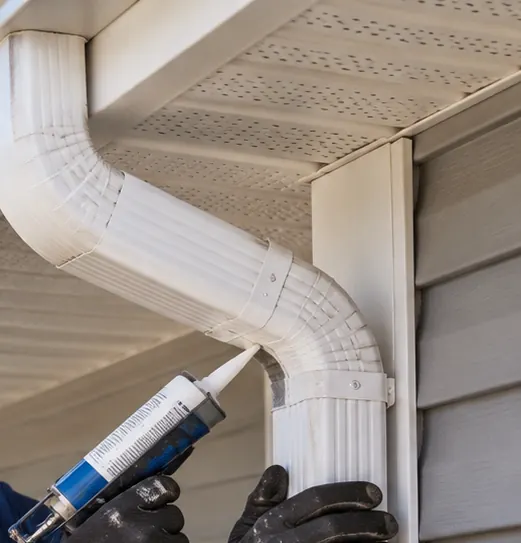
What you get
- Self-regulating cable — draws less power as it warms, safer than constant-wattage
- Run in the trough and all the way down the downspout, which is the bit people skip
- Zig-zagged along the eave where the dam actually forms
- Clipped properly so it does not sit against shingles and cook them
- Gutters cleaned first — cable in a packed trough does nothing
- Best installed in October before anything freezes
Heat Cable — common questions
Does heat cable actually work?
On a problem section, yes — it keeps a drainage path open so water escapes instead of backing up. It will not de-ice a whole roof and it is not a substitute for fixing attic heat loss.
What does it cost to run?
Self-regulating cable typically draws around 5–8 watts per foot and only when it is cold. A 60 ft run might cost a few dollars a day in deep winter. Put it on a switch or a thermostat rather than leaving it on all season.
Do I need an electrician?
You need a proper outdoor GFCI outlet. If one is already there we can plug straight in. If not, that is an electrician — not us, and we will say so rather than improvise.
When should it go in?
October, before freeze-up. Installing it in January means working around existing ice, which costs more and works less well.
Other services
Grande Prairie and across the Peace Country
Based in Grande Prairie and out through the Peace Country on scheduled route days. Not sure if we reach you? Call and ask — the answer is usually yes.
Get a price in about a minute
Answer a few questions and see a budgetary range straight away. No waiting on a callback to find out roughly what it costs.